Hazardous Tree Removal in Fountain Inn, SC
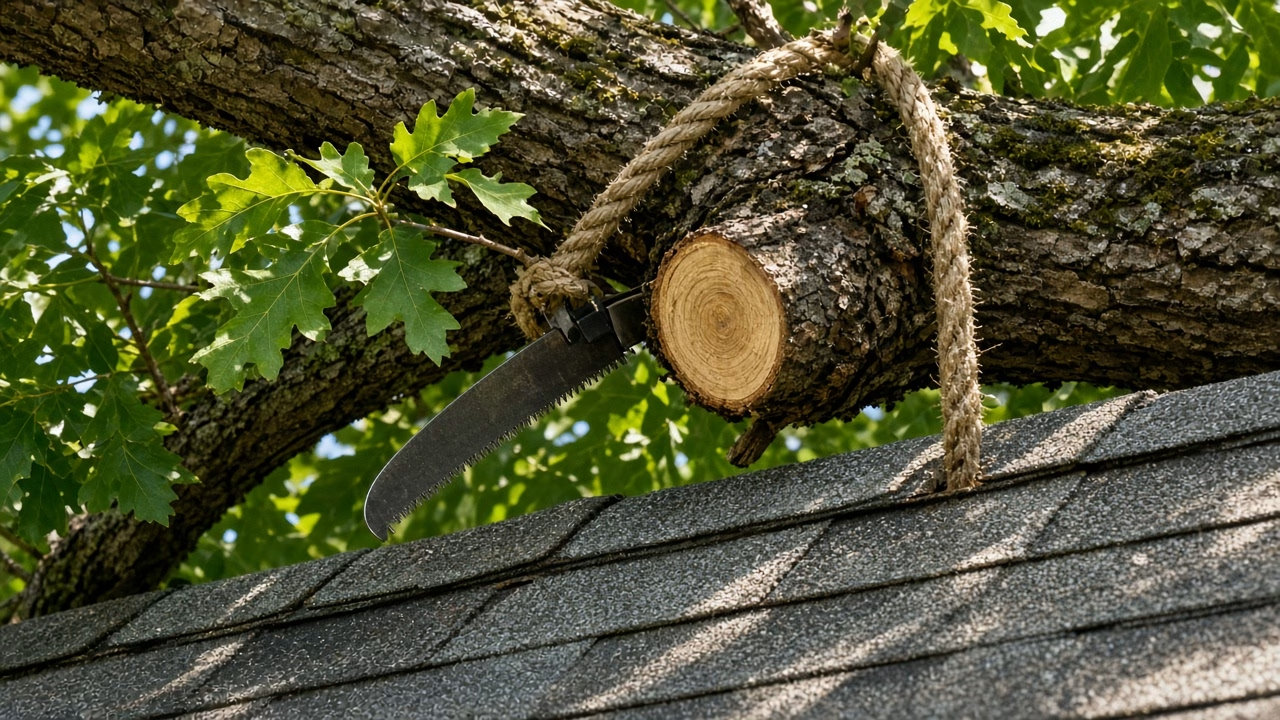
A hazardous tree can pose a serious risk to your home, business, landscaping, and anyone nearby. Large cracks, damaged roots, dead branches, and sudden changes in a tree’s position may indicate that it is no longer structurally stable. Identifying these warning signs early can help you determine when professional tree removal may be necessary.
Out on a Limb Tree Service provides residential and commercial tree care in the greater Greenville, South Carolina, area, including Fountain Inn. Whether a tree has become unstable after severe weather or developed structural problems over time, professional assessment can help determine the appropriate solution.
When Is Tree Removal Necessary?
Not every damaged tree needs to be removed, but certain conditions can make keeping a tree on your property unsafe. The decision depends on the tree’s condition, location, structural stability, and potential to cause damage if it fails.
Trees With Severe Structural Damage
A large crack in the trunk, a split main stem, or a damaged branch attachment can weaken a tree’s structure. Heavy branches may break unexpectedly, while a compromised trunk can make the entire tree unstable.
Trees with substantial structural damage should be evaluated before anyone attempts pruning or removal. The safest approach depends on the extent of the damage and the surrounding environment.
Dead or Dying Trees
Dead trees can lose branches and structural strength over time. As the wood deteriorates, large limbs or sections of the trunk may become more likely to fall, particularly during high winds or heavy rain.
A dead tree located near a house, driveway, sidewalk, parking area, or other frequently used space deserves careful attention. Professional assessment can help determine whether removal is appropriate.
Trees With Damaged or Exposed Roots
Roots help anchor a tree and provide the support needed to keep it upright. Construction activity, soil erosion, disease, or storm damage can compromise the root system.
Warning signs may include lifted soil around the trunk, exposed or damaged roots, and a tree that has begun leaning unexpectedly. Avoid approaching a potentially unstable tree, especially if the ground around its base has shifted.
Trees Leaning Toward Buildings
A tree that develops a new lean or begins shifting toward a home, garage, fence, or commercial building may require urgent evaluation. A leaning tree is not automatically hazardous, because some trees naturally grow at an angle. However, a sudden change in position can indicate a serious problem.
The tree’s root condition, trunk integrity, and surrounding obstacles should be considered before deciding whether removal is needed.
Large Branches Hanging Over Important Areas
Dead, cracked, or weakened limbs above roofs, driveways, outdoor seating areas, and walkways can create a falling-branch hazard. In some cases, selective pruning may address the problem without removing the entire tree.
If a branch is suspended, split, or caught in the canopy, do not attempt to pull it down yourself. It may move unexpectedly and cause injury or property damage.
Our Approach to Hazardous Tree Removal
Removing a hazardous tree requires planning that accounts for its condition, size, location, and the risks associated with handling damaged wood. The appropriate removal method should be selected based on the specific circumstances at the property.
Evaluating the Tree and Surrounding Area
The first step is to identify the visible hazards and determine how the tree may be safely handled. This includes considering trunk damage, branch stability, root condition, nearby buildings, overhead obstacles, and access to the work area.
An assessment also helps establish whether complete removal is necessary or whether another tree care option may address the problem.
Planning the Removal Process
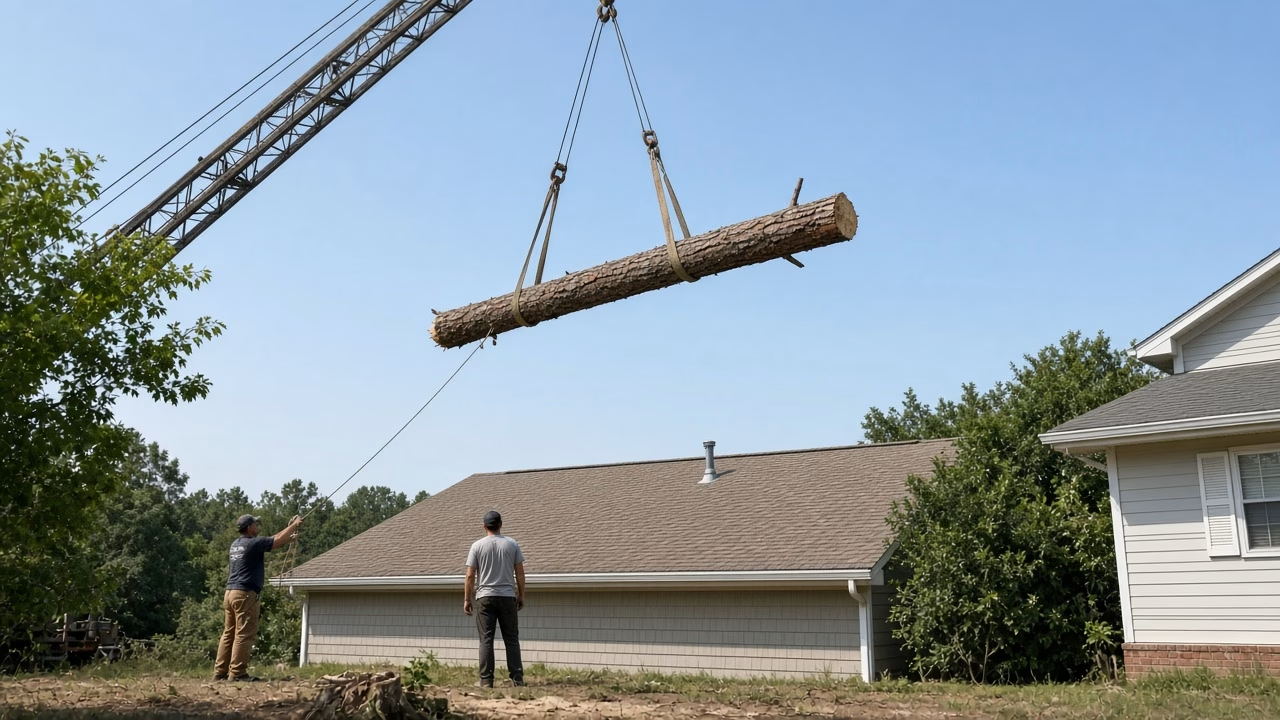
Trees near structures or other obstacles may require removal in smaller sections rather than being felled in one piece. Professional climbing techniques and specialized equipment may be appropriate depending on the tree’s condition.
For certain large or difficult removals, crane assistance may also be considered. The method depends on access, ground conditions, the tree’s stability, and the surrounding property.
Controlled Removal of Hazardous Sections
Damaged limbs and trunk sections can behave unpredictably when weight or tension changes. Careful planning helps determine how sections should be handled and removed while accounting for nearby structures and people.
The goal is to address the hazard using a method appropriate for the tree and site conditions. No removal method can eliminate every risk, which is why professional evaluation and suitable precautions matter.
Debris and Property Cleanup
After the tree has been removed, branches and trunk sections may need to be collected and hauled away according to the agreed scope of work. The amount of debris and the property’s accessibility can affect the cleanup process.
If the remaining stump creates an obstruction or you want to reclaim the area for landscaping, ask whether stump grinding can be included as a separate service.
Why Prompt Attention Matters
A hazardous tree may remain standing for a long time before its condition becomes visibly worse. However, additional rain, wind, soil movement, or further deterioration can increase the risk of failure.
Addressing concerns early can help property owners understand their options before the situation becomes more difficult to manage.
-
Reduce potential property damage: Trees with serious structural problems near buildings may require timely evaluation.
-
Identify falling-branch risks: Dead and weakened limbs can pose hazards above frequently used areas.
-
Plan for difficult access: Early assessment allows time to consider suitable equipment and removal methods.
-
Protect outdoor spaces: Addressing hazardous trees can help make driveways, yards, and other areas safer to use.
-
Make informed decisions: A professional assessment can help establish whether pruning, monitoring, or removal is appropriate.
If a tree is actively falling, has struck a structure, or threatens someone’s immediate safety, keep everyone away from the area and contact the appropriate emergency service when necessary.
Residential Hazardous Tree Removal
Homeowners may discover hazardous trees after a storm, during routine yard maintenance, or when a previously healthy tree begins to decline. Problems can become particularly concerning when a tree stands close to a house, garage, fence, or driveway.
The appropriate response depends on the tree’s condition and the consequences of a potential failure. A small dead limb may require targeted pruning, while a severely compromised trunk or root system may make complete removal necessary.
Out on a Limb Tree Service provides residential tree care in the greater Greenville area. Contact the company to explain your concerns and discuss whether an on-site assessment is appropriate.
Commercial Hazardous Tree Removal
Hazardous trees can also affect offices, retail properties, parking lots, commercial buildings, and other business locations. Dead branches may hang above entrances, while unstable trees can create concerns near walkways, vehicle parking areas, and outdoor workspaces.
Property owners and managers should take visible warning signs seriously and restrict access to areas where an immediate danger may exist. Professional evaluation can help determine the appropriate work needed to address the hazard.
Out on a Limb Tree Service advertises tree services for residential and commercial properties. Contact the team to discuss the tree’s location, the surrounding conditions, and your property’s requirements.
Hazardous Tree Removal in Fountain Inn, South Carolina
Trees throughout Fountain Inn experience seasonal weather changes, heavy rainfall, and periods of strong wind. These conditions can contribute to broken limbs, damaged roots, and structural problems, particularly in older or already weakened trees.
Out on a Limb Tree Service serves Fountain Inn and other communities in the greater Greenville area. If you are concerned about a leaning tree, a damaged trunk, or large dead branches near your property, the company can discuss the situation and the next steps for arranging tree care.
When contacting the team, describe the tree’s approximate size, its distance from nearby buildings, and any visible signs of damage. Photographs taken from a safe distance may also help explain the situation.
Never climb a hazardous tree or attempt to cut a severely damaged trunk yourself. If electrical wires are involved, stay away from the tree and contact the utility provider or appropriate emergency service.
Factors That Affect Hazardous Tree Removal Costs
The cost of removing a hazardous tree depends on the work required and the conditions at the property. Trees that are easy to access may require a different approach from those with extensive damage or limited room for removal.
Common cost factors include:
-
Tree size and height: Larger trees generally require more labor and careful handling.
-
Structural condition: Split trunks, damaged roots, and unstable limbs can make removal more complicated.
-
Proximity to structures: Trees near homes, garages, fences, or other obstacles may require sectional removal.
-
Access and working space: Restricted access can affect equipment placement and the available removal method.
-
Equipment requirements: Professional climbing techniques or crane assistance may be appropriate for certain jobs.
-
Debris removal: The quantity of branches and trunk sections affects cleanup requirements.
-
Stump management: Stump grinding may be an additional service rather than part of the initial removal.
Out on a Limb Tree Service advertises free on-site estimates. Request an assessment to discuss the tree’s condition, the recommended work, and the services included in the estimate.
Frequently Asked Questions
How can I tell if a tree is hazardous?
Warning signs may include a newly developed lean, major trunk cracks, dead branches, lifted soil near the roots, or visible structural damage. These signs do not always mean the tree must be removed, but they may warrant professional evaluation.
Does every dead tree need to be removed?
Not necessarily. The decision depends on the tree’s location, condition, and potential impact if branches or the trunk fail. A tree near a building or frequently used area may present a greater concern than one in an isolated location.
Can a hazardous tree be removed near a house?
Yes, tree removal near buildings may be possible with appropriate planning and a suitable removal method. The tree’s size, stability, access, and proximity to the structure help determine how the work should be performed.
Is crane assistance available for hazardous tree removal?
Crane assistance may be appropriate for certain large or difficult trees. Its suitability depends on site access, ground conditions, lifting requirements, and nearby obstacles.
Should I remove a leaning tree myself?
No. A leaning tree may have compromised roots or structural damage, and its movement can be unpredictable. Keep away from the affected area and arrange professional assessment.
Does hazardous tree removal include stump grinding?
Stump grinding may be available as an additional service, depending on the work arranged. Confirm whether stump removal or grinding is included in your estimate.
Do you serve commercial properties in Fountain Inn?
Out on a Limb Tree Service advertises residential and commercial tree care in the greater Greenville area, including Fountain Inn. Contact the company to discuss your property’s needs and confirm service availability.
Can I request a free estimate?
The company advertises free on-site estimates. Contact the team to explain your concerns and arrange an assessment.
Schedule Hazardous Tree Removal in Fountain Inn, SC
A tree with damaged roots, a split trunk, or severely weakened branches can pose a risk to people and property. Identifying the warning signs and arranging an appropriate assessment can help you make an informed decision about the next steps.
Out on a Limb Tree Service provides tree care for residential and commercial properties in Fountain Inn and surrounding communities. Contact the team to discuss your hazardous tree concerns and ask about available removal options.