Dead Tree Removal in Williamston South Carolina
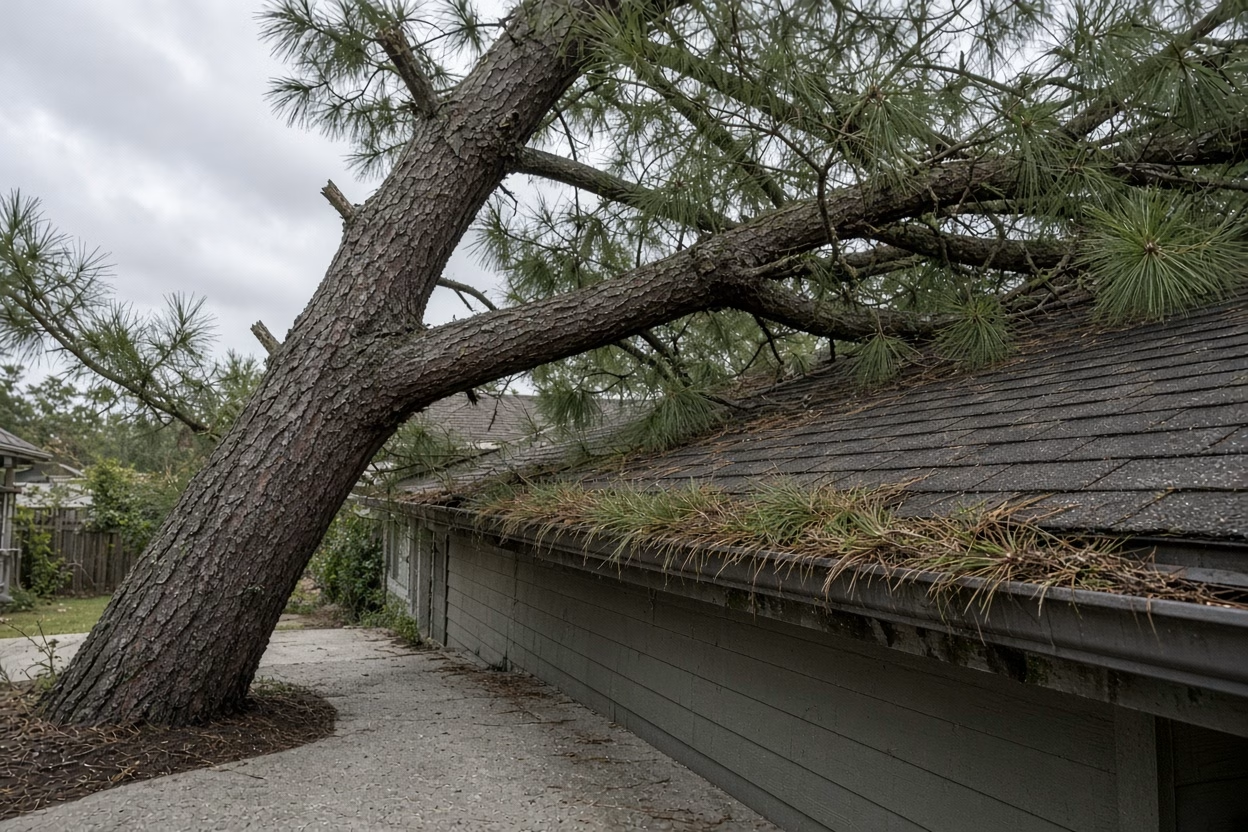
Dead tree removal in Williamston South Carolina helps property owners address trees that have died from disease, decay, environmental stress, or other causes. Out On A Limb Tree Service provides professional tree care solutions to help homeowners and businesses manage dead trees that may threaten nearby structures, vehicles, landscaping, or frequently used outdoor areas.
A dead tree can become increasingly brittle as its wood deteriorates. Branches may break during windy weather, and weakened trunks or root systems can make the tree unstable. Even when a dead tree appears to be standing firmly, hidden decay may affect its structural strength.
Removing a dead tree at the appropriate time can help reduce potential hazards and restore usable space around your property. The best removal method depends on the tree’s size, condition, location, and proximity to buildings or other obstacles.
Professional Dead Tree Removal Services in Williamston South Carolina
Dead trees require careful evaluation because their branches and trunks may behave differently from those of healthy trees. Dry or decayed wood can break unexpectedly, making climbing and cutting more challenging.
Out On A Limb Tree Service can assess the condition of a dead tree and determine an appropriate removal approach. Depending on the site, the work may involve cutting the tree into manageable sections, using rigging to control selected pieces, or considering crane assistance when suitable.
The assessment also considers nearby homes, garages, fences, driveways, utility lines, and landscaping. These details help establish how the tree can be removed and where the resulting debris can be handled.
Signs You May Need Dead Tree Removal
Recognizing the signs of a dead or declining tree can help you determine when to request a professional evaluation.
-
No seasonal growth: A tree that fails to produce expected leaves or new growth may be dead, although seasonal changes and environmental stress can also affect growth.
-
Brittle branches: Dry branches that snap easily may indicate extensive decline or dead wood.
-
Extensive bark loss: Large areas of missing or peeling bark can be associated with serious tree health problems.
-
Trunk decay: Cavities, soft wood, fungal growth, or visible deterioration may indicate structural weakness.
-
Dead branches throughout the canopy: Widespread dead limbs may suggest that the tree is no longer viable.
-
Root damage: Damaged or decaying roots can affect the stability of a standing tree.
-
Storm-related deterioration: A tree damaged by lightning or severe weather may decline over time and require further assessment.
These signs do not always confirm that an entire tree is dead. A professional inspection can help distinguish a dead tree from one that may recover with appropriate care.
Why Timely Dead Tree Removal Matters
Dead trees can create safety concerns when they stand near homes, parking areas, walkways, and outdoor gathering spaces. As the wood deteriorates, branches may fall without much warning, especially during strong winds or heavy rain.
Removing a dead tree can help address these concerns and reduce the amount of dead wood remaining above frequently used areas. It may also make room for new landscaping, improve access around a property, and remove an unwanted visual obstruction.
The urgency of removal depends on the tree’s condition and location. A dead tree with unstable branches near a building may require prompt attention, while one in an isolated area may present a different level of concern.
Property owners should avoid climbing dead trees or attempting to cut large branches themselves. Decayed wood may not support a person’s weight, and damaged sections can split or fall unpredictably. If a dead tree is touching a power line, stay away and contact the utility provider.
Residential and Commercial Dead Tree Removal
Out On A Limb Tree Service helps residential and commercial property owners evaluate dead trees and determine suitable removal options.
For homeowners, dead trees may stand close to houses, garages, fences, driveways, gardens, or outdoor living spaces. Removing these trees requires consideration of the surrounding property and the condition of the tree. Where space is restricted, sectional removal may be more appropriate than felling the tree in one piece.
Commercial properties may have dead trees near office buildings, retail locations, parking lots, walkways, or access roads. Professional evaluation helps property managers identify hazards and plan the necessary work according to site conditions.
Large dead trees may require specialized equipment because weakened branches and trunks can be difficult to handle. Climbing, rigging, or crane-assisted removal may be considered when appropriate. The selected method should reflect the tree’s condition, equipment access, and nearby obstacles.