Crane Tree Removal in Pelzer South Carolina
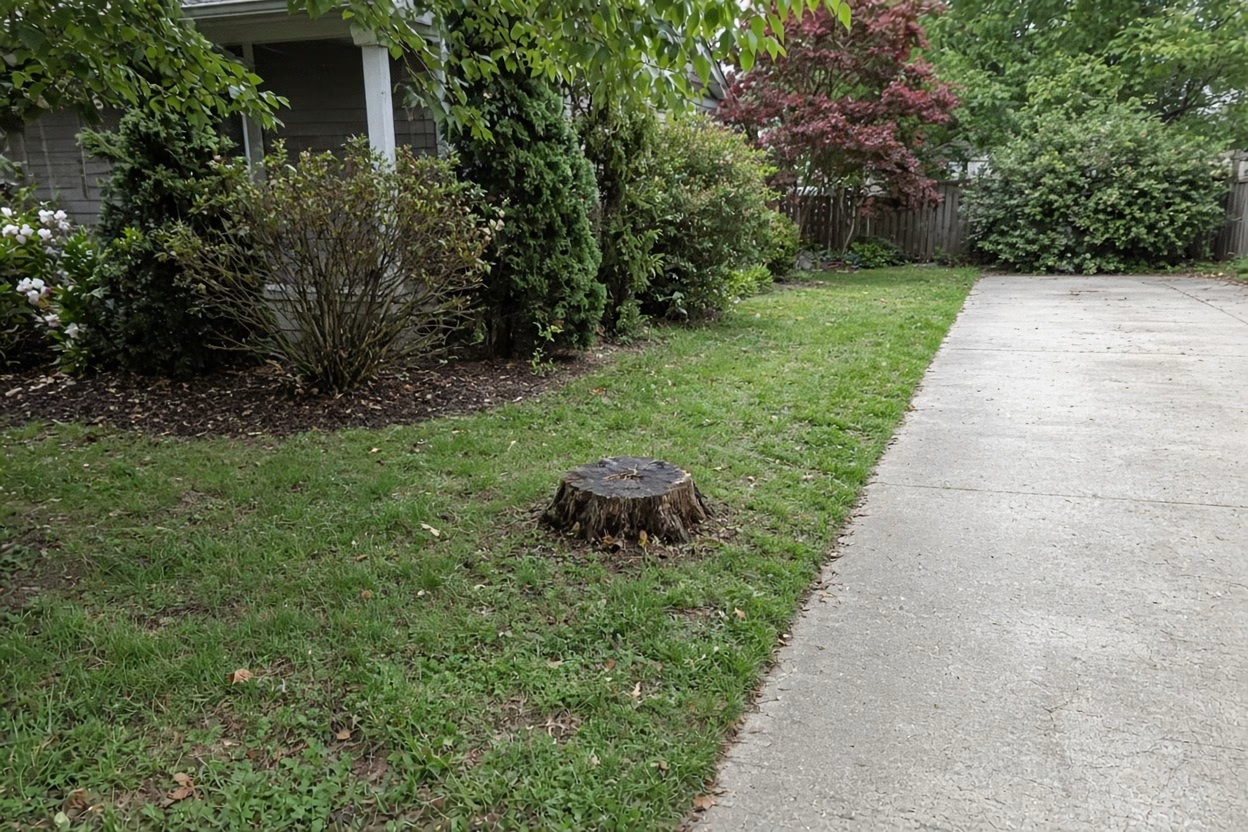
Crane tree removal in Pelzer South Carolina provides a practical solution for removing large, damaged, or difficult-to-access trees when traditional removal methods may not be suitable. Out On A Limb Tree Service offers professional tree care solutions for residential and commercial properties, helping property owners address hazardous trees and manage challenging removals with careful planning.
When a tree stands close to a house, commercial building, driveway, fence, or other property feature, removing it can require specialized equipment and an experienced team. Crane-assisted tree removal can help lift selected sections of a tree and lower them into designated areas, reducing the need to drop large sections directly to the ground.
Every tree and property presents different challenges. Tree height, trunk diameter, canopy spread, surrounding structures, equipment access, and ground conditions all influence the removal plan. A professional site assessment helps determine whether crane assistance is appropriate for the job.
Professional Crane Tree Removal Services in Pelzer South Carolina
Large trees can become difficult to remove when they grow in confined spaces or near valuable property features. In these situations, a crane may help the crew manage heavy tree sections in a controlled manner. The removal plan depends on the tree’s condition, the available working area, and the safest practical approach for the site.
Out On A Limb Tree Service can assess your tree removal needs and determine the appropriate equipment and techniques for the work. Crane-assisted removal may be considered for trees that are unusually large, damaged, leaning, or positioned where conventional cutting and lowering methods are less practical.
The process begins with evaluating the tree and its surroundings. The crew must consider overhead obstacles, nearby structures, access routes, ground stability, and potential hazards. Crane placement and lifting capacity also need to be appropriate for the tree sections being removed.
When Is Crane-Assisted Tree Removal Needed?
Crane tree removal may be a suitable option in several situations:
-
Large trees near buildings: Crane assistance may help remove heavy sections without relying on uncontrolled ground drops.
-
Trees in confined spaces: Limited room for conventional removal can make carefully planned lifting useful.
-
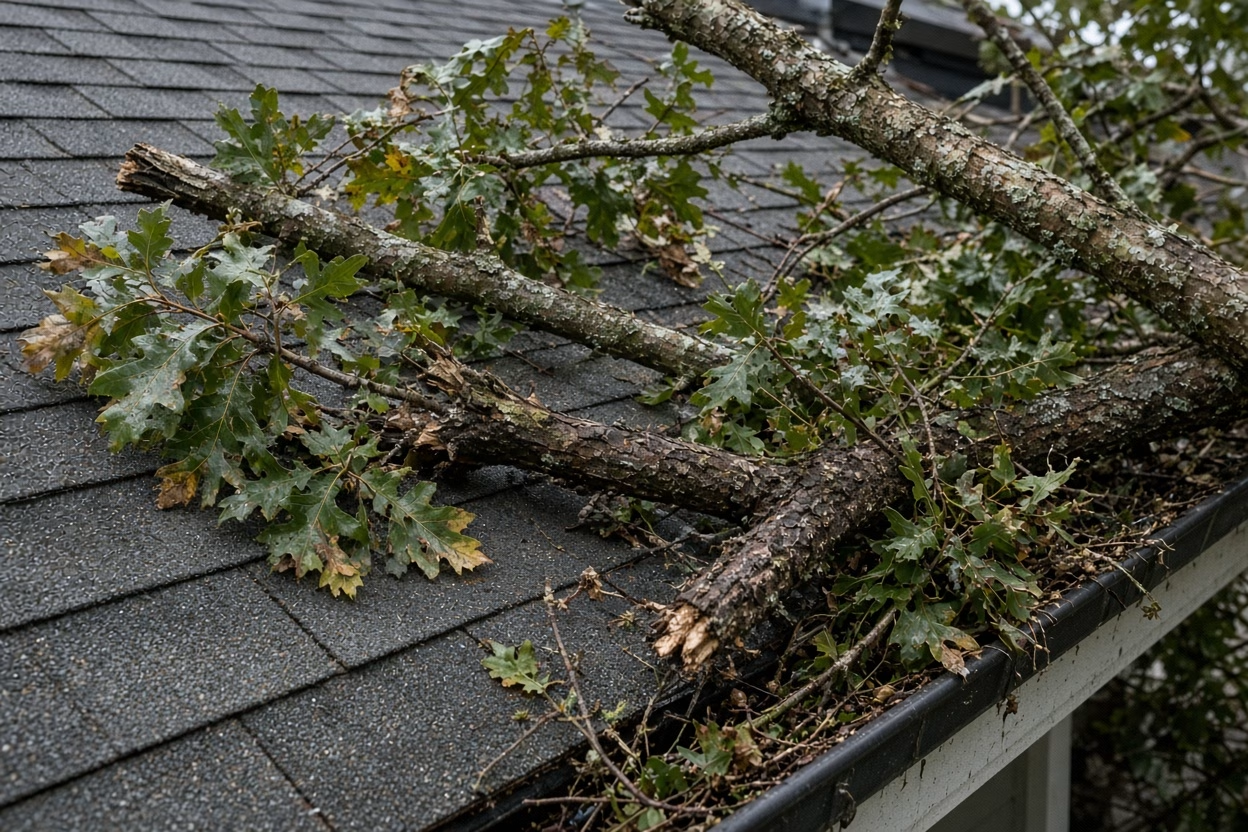
Damaged or unstable trees: Trees affected by decay, storm damage, or structural weakness may require specialized removal planning.
-
Heavy limbs and large trunks: A crane can help lift and position sections when their weight or dimensions make ground-based handling difficult.
-
Commercial property projects: Larger sites may need specialized equipment to remove trees while coordinating access and surrounding activities.
-
Restricted landing areas: Crane-assisted techniques may help move tree sections toward a designated landing area when the site permits.
Crane assistance does not eliminate every risk or guarantee that nearby property will remain undamaged. Proper planning, qualified operators, suitable equipment, and appropriate safety procedures remain essential.
Benefits of Professional Crane Tree Removal
Removing a large tree requires more than cutting through its trunk. Heavy sections can shift unexpectedly, and branches may extend over structures, utilities, or areas used by people. Professional removal helps address these challenges through an organized plan tailored to the property.
Crane-assisted removal can offer several advantages when conditions are suitable.
Controlled handling of heavy sections: A crane can lift selected portions of a tree and help the crew manage their movement during removal.
Support for difficult access: Some trees are located where large pieces cannot easily be lowered or moved using conventional methods alone.
Reduced ground-level obstruction: Depending on crane placement and the site layout, lifting sections may reduce the need to move heavy pieces through certain areas of the property.
A planned removal process: Evaluating lifting points, equipment placement, and landing zones before work begins helps the crew coordinate each stage.
Flexibility for complex projects: Crane assistance can be combined with appropriate climbing, rigging, and cutting techniques when the situation requires a specialized approach.
The most appropriate method depends on the specific tree and site. In some cases, conventional tree removal may be more suitable or economical than using a crane.