Residential Tree Service in Wade Hampton South Carolina
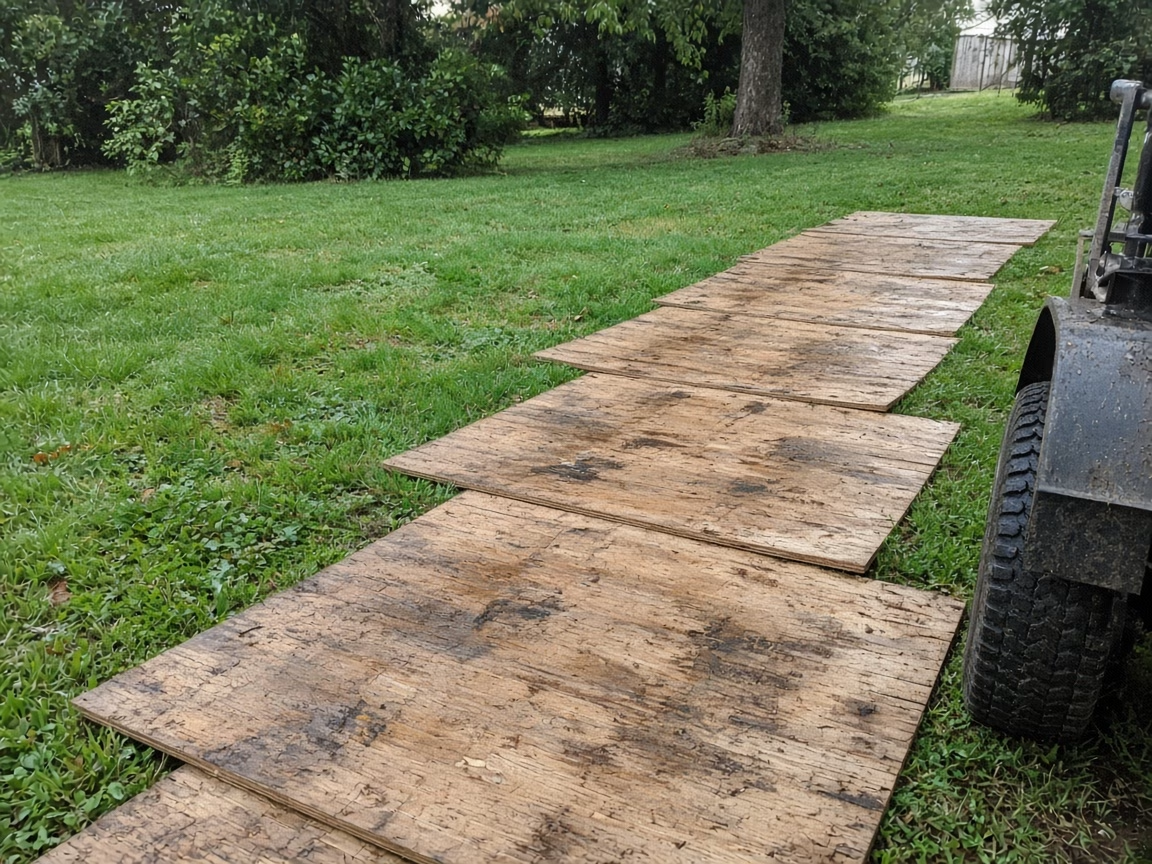
Residential tree service in Wade Hampton South Carolina helps homeowners maintain healthy outdoor spaces, manage overgrown branches, and address trees that may pose a risk to their property. Out On A Limb Tree Service provides professional tree care solutions for residential properties, including tree removal, trimming, pruning, stump grinding, and storm damage cleanup.
Trees add shade, natural beauty, and character to a home. However, branches that grow too close to a roof, damaged limbs, and trees with structural problems can create maintenance concerns. Regular attention helps homeowners understand the condition of their trees and determine when professional care may be needed.
Whether you have a mature tree spreading over your backyard, a stump left after removal, or a damaged tree near your driveway, the right service depends on the condition of the tree and the layout of your property. A professional assessment can help identify suitable options and establish a practical plan.
Professional Residential Tree Service in Wade Hampton South Carolina
Every residential property has different tree care needs. Some homeowners require occasional pruning to manage growth, while others need help removing a dead, damaged, or poorly positioned tree. Properties with limited access or trees close to structures may require additional planning and specialized equipment.
Out On A Limb Tree Service helps homeowners evaluate these needs and determine which services are appropriate. The process begins by considering the tree’s size, condition, location, and surrounding features, including homes, garages, fences, gardens, and driveways.
Depending on the assessment, residential tree care may include selective branch removal, complete tree removal, stump grinding, or cleanup following severe weather. Choosing the appropriate service helps address the specific issue without undertaking unnecessary work.
Common Residential Tree Care Needs
Homeowners may need professional tree service for a variety of reasons:
-
Overgrown branches: Limbs extending toward roofs, fences, or outdoor living spaces may need selective pruning.
-
Dead or damaged trees: Trees with significant decay or structural damage may require removal.
-
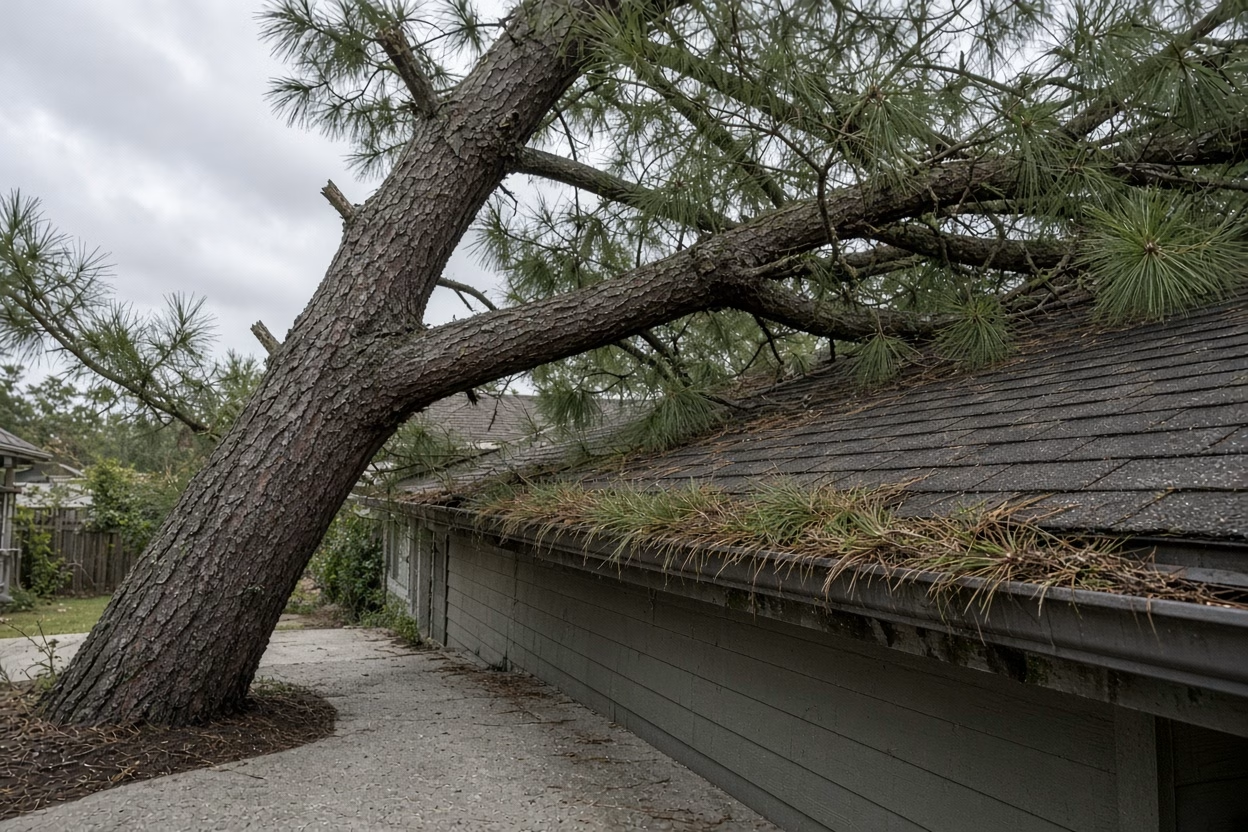
Storm-damaged limbs: Broken branches and fallen trees can obstruct yards, driveways, and walkways.
-
Unwanted stumps: Grinding a remaining stump can help create a more usable outdoor area.
-
Trees near structures: Trees growing close to homes or garages may need careful evaluation and maintenance.
-
Large or difficult trees: Some removals require climbing, rigging, or crane assistance, depending on site conditions.
A tree does not always need to be removed because it has a visible problem. In some cases, pruning or other maintenance may be sufficient. A professional evaluation can help determine the most appropriate solution.
Residential Tree Removal and Trimming
Tree removal may become necessary when a tree is dead, severely damaged, structurally unstable, or unsuitable for its location. Removing a tree from a residential property requires consideration of nearby structures, landscaping, utility lines, and available working space.
When a tree stands close to a house, garage, or fence, the removal process may involve cutting it into manageable sections. Crane-assisted techniques may be considered for certain large trees or challenging locations where suitable access and site conditions allow.
Tree trimming and pruning help manage selected branches while maintaining the tree’s structure. Appropriate pruning can improve clearance around roofs and driveways, remove damaged limbs, and address specific growth concerns. The work should be tailored to the tree rather than removing excessive branches without a clear purpose.
Out On A Limb Tree Service can help homeowners determine whether trimming, removal, or another service best fits their property’s needs.
Residential Tree Maintenance for Your Property
Routine tree care can help homeowners identify developing concerns and maintain their outdoor spaces. Dead branches, visible cracks, unusual leaning, and signs of root disturbance may indicate that a tree needs closer inspection.
Maintaining trees around a home also involves considering how branches interact with buildings, fences, walkways, and other landscape features. Selective pruning can help manage overgrowth, while removal may be appropriate when a tree has serious structural problems or presents an unacceptable risk.
After a tree is removed, stump grinding may help improve the usability and appearance of the affected area. The remaining stump and accessible surface roots can be addressed according to the site’s conditions and the homeowner’s plans for the space.
Storms can create additional tree care needs. Strong winds and heavy rain may break limbs, expose roots, or leave trees leaning. Damaged trees should be evaluated before homeowners attempt cleanup, especially when large branches are hanging overhead or a tree is close to electrical lines.