Hazardous Tree Removal in Berea South Carolina
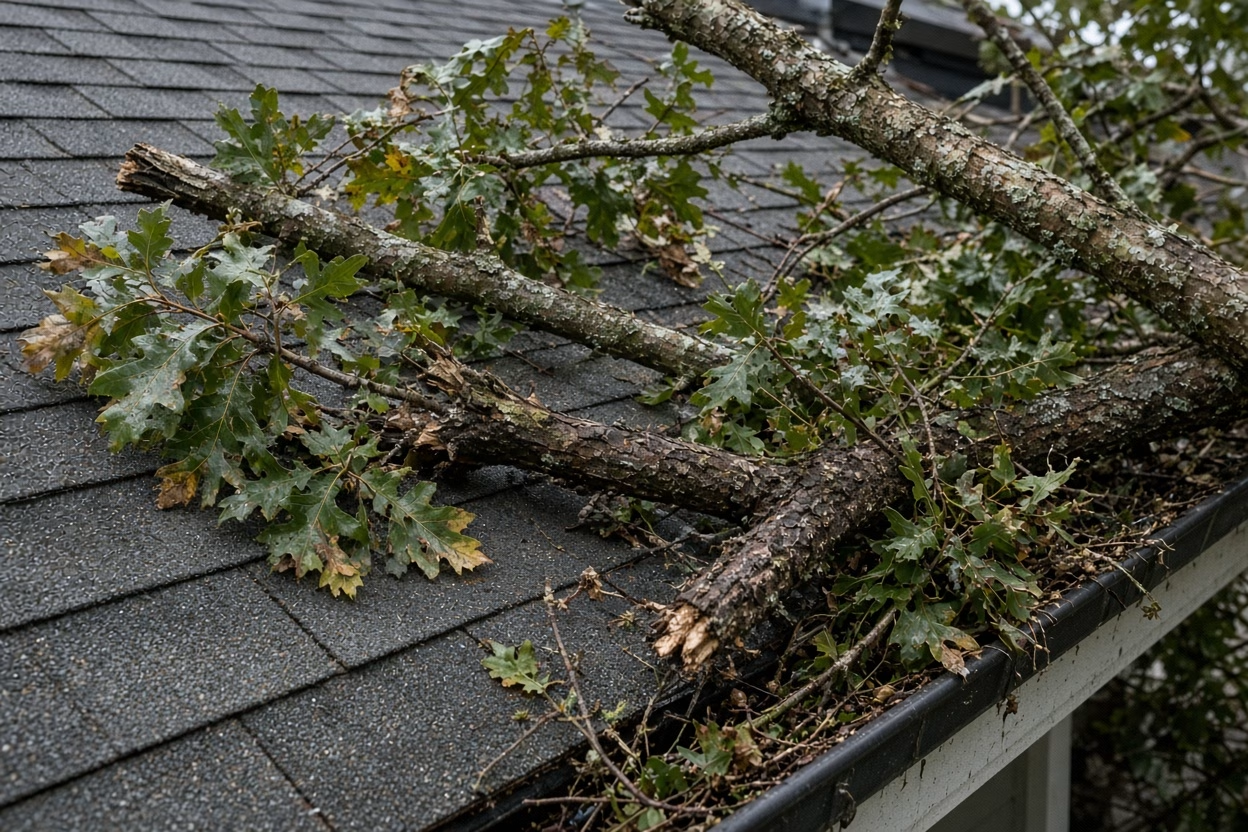
Hazardous tree removal in Berea South Carolina helps property owners address trees that may threaten people, buildings, vehicles, or surrounding property. Out On A Limb Tree Service provides professional tree care solutions for residential and commercial properties, helping identify dangerous tree conditions and determine when removal may be necessary.
A tree can become hazardous because of internal decay, damaged roots, a split trunk, unstable branches, or severe weather. Some trees show obvious signs of trouble, while others may appear healthy despite having structural weaknesses. Recognizing these warning signs early can help property owners make informed decisions about tree care.
When a tree is leaning toward a home, has large dead limbs above a driveway, or shows signs of significant trunk damage, a professional evaluation can help determine the level of risk. Depending on the tree’s condition and location, the appropriate solution may involve selective pruning, branch removal, or complete tree removal.
Professional Hazardous Tree Removal Services in Berea South Carolina
Dangerous trees require careful assessment before any cutting begins. Tree height, trunk condition, root stability, surrounding structures, and access to the work area all influence the removal approach.
Out On A Limb Tree Service evaluates challenging tree situations to help property owners understand their options. When a tree cannot reasonably remain in place, a planned removal process can address the hazard while accounting for nearby buildings, fences, landscaping, and other property features.
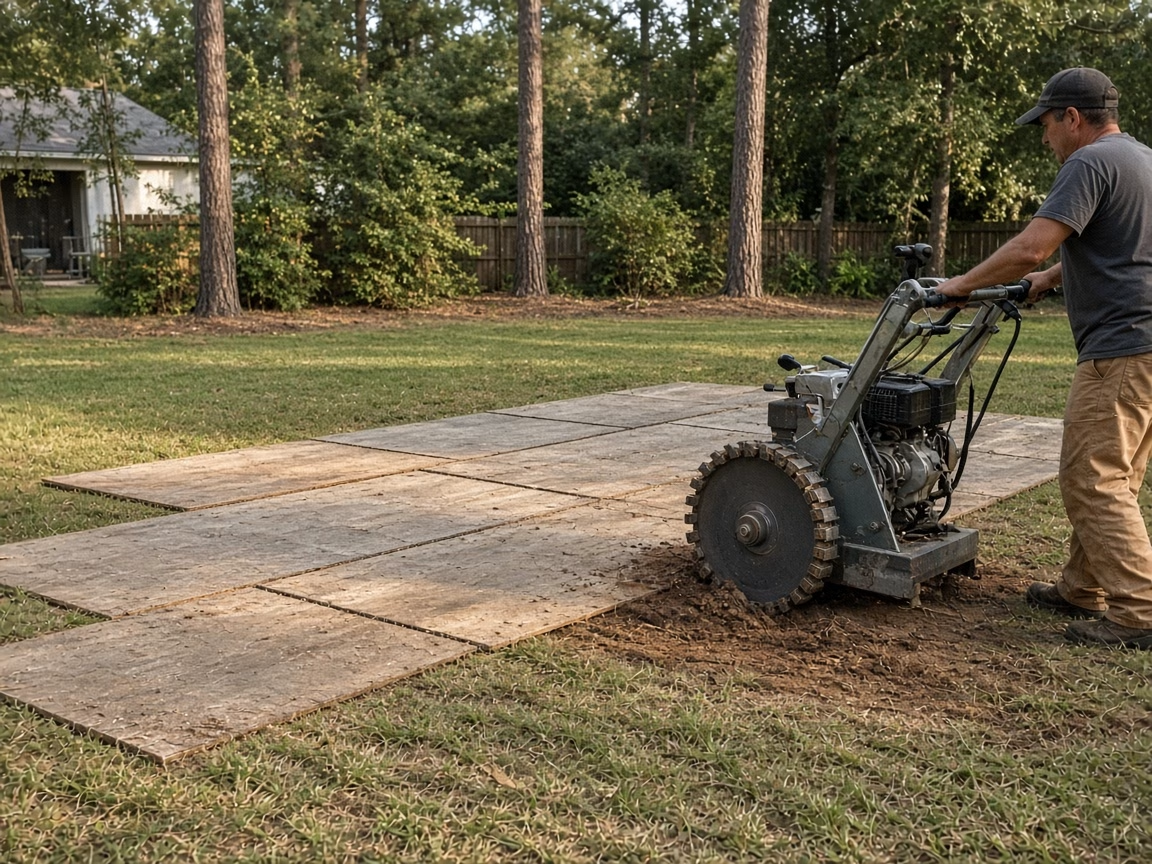
Hazardous tree removal may involve climbing techniques, controlled cutting, rigging, or crane assistance when appropriate. The method depends on the tree’s size, condition, and location. Specialized equipment may be particularly useful when a tree stands near a structure or when large sections cannot be lowered using conventional methods alone.
Signs That a Tree May Be Hazardous
Recognizing potential tree hazards can help you decide when to request a professional assessment. Watch for these warning signs around your property:
-
Large dead branches: Dead or broken limbs may fall unexpectedly, especially during windy weather.
-
Cracks in the trunk: Deep splits or major structural cracks can indicate that a tree has been weakened.
-
Sudden leaning: A tree that begins leaning noticeably may have damaged roots or an unstable base.
-
Root damage: Exposed, broken, or disturbed roots can affect a tree’s ability to remain upright.
-
Visible decay: Hollow areas, soft wood, fungal growth, or extensive cavities may indicate structural deterioration.
-
Weak branch connections: Large limbs attached through narrow or cracked unions may be more likely to break.
-
Storm-related damage: Lightning, strong winds, and heavy rain can leave trees unstable even after the weather clears.
These signs do not always mean a tree must be removed. A qualified assessment can help determine whether pruning, monitoring, or removal is the most appropriate option.
Why Timely Hazardous Tree Removal Matters
A hazardous tree can create concerns for anyone using the surrounding area. Branches may fall onto vehicles, roofs, walkways, or outdoor living spaces. A structurally compromised tree may also become more unstable when exposed to strong winds or saturated soil.
Addressing tree hazards promptly can help property owners reduce exposure to these risks and plan necessary work before conditions worsen. It can also help protect access to driveways, entrances, parking areas, and other frequently used spaces.
Professional removal is especially important when a tree is close to electrical lines, buildings, or other obstacles. Cutting large branches without understanding their weight and tension can cause them to swing, split, or fall unpredictably. Property owners should avoid climbing damaged trees or attempting to remove heavy limbs themselves.
If a tree or branch is touching a power line, stay clear and contact the utility provider. Do not attempt to cut or move it.
Residential and Commercial Hazardous Tree Removal
Out On A Limb Tree Service helps residential and commercial property owners address trees that may pose a threat to their surroundings. Each property has different requirements, so the removal plan should reflect the tree’s condition, location, and potential impact on nearby features.
For residential properties, hazardous trees may stand close to homes, garages, fences, driveways, sheds, or play areas. A damaged tree in one of these locations may require careful sectional removal to manage how branches and trunk pieces are handled.
Commercial properties can have additional concerns, including customer parking, pedestrian access, landscaping, and nearby buildings. Evaluating these factors before work begins helps establish suitable equipment requirements and work arrangements.
In some situations, crane-assisted tree removal may be considered for large or difficult-to-access trees. Other projects may be better suited to professional climbing, rigging, or conventional removal techniques. The most appropriate method depends on the site assessment and the specific hazards involved.