Dead Tree Removal in Fountain Inn, SC
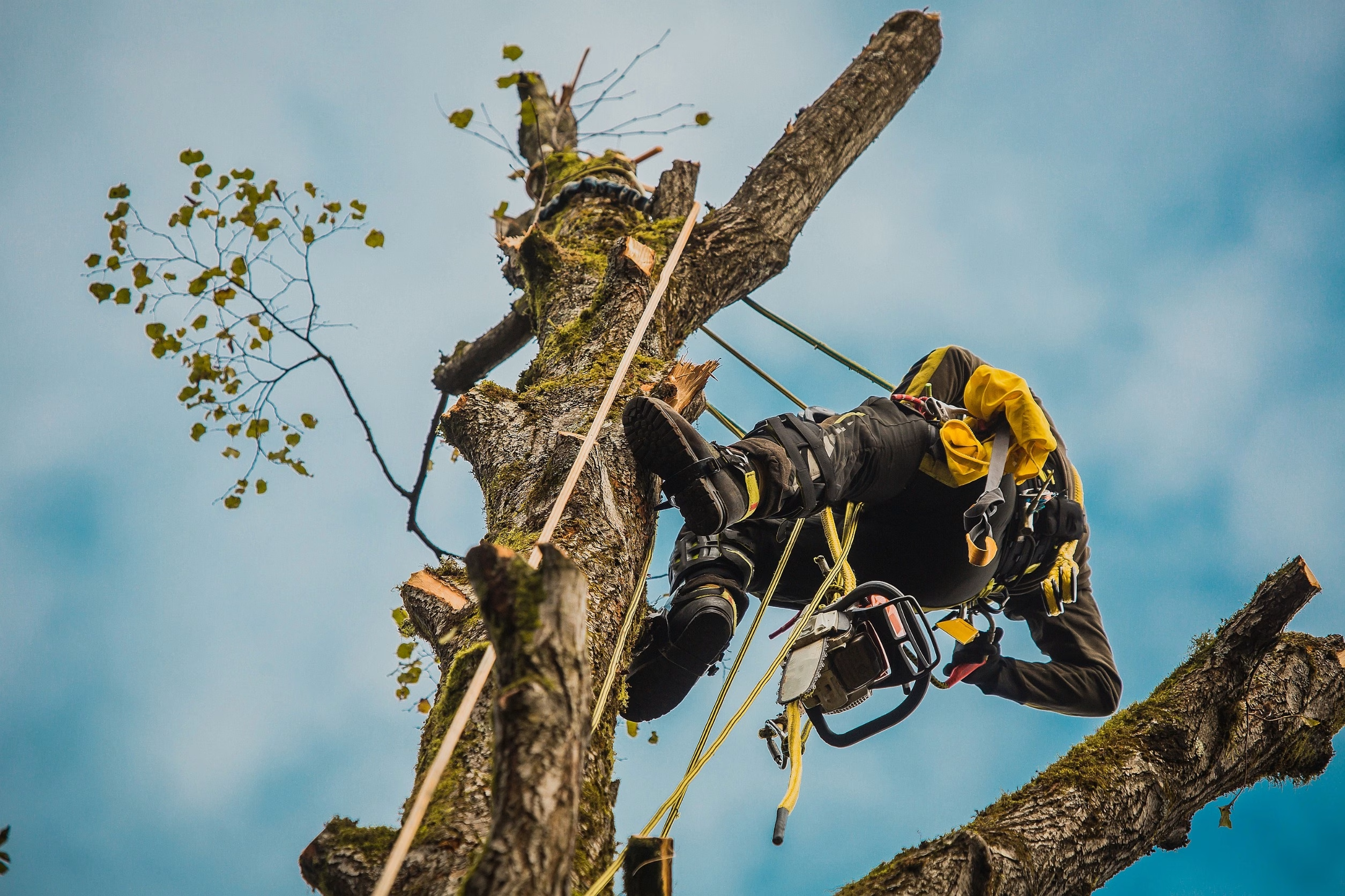
Dead trees can become a concern for homeowners and commercial property owners, particularly when they stand near buildings, driveways, walkways, or other frequently used areas. As a tree deteriorates, its branches and trunk may lose strength, increasing the possibility of falling limbs or structural failure. Professional dead tree removal can help address these concerns and restore usable space around your property.
Out on a Limb Tree Service provides residential and commercial tree care in the greater Greenville, South Carolina, area, including Fountain Inn. Whether a dead tree is standing in your backyard, leaning near your home, or creating concerns around a commercial property, an assessment can help determine the appropriate removal method.
When Should a Dead Tree Be Removed?
A dead tree does not always need immediate removal, but its location and condition can make professional attention important. A tree near a building or public access area may present a greater concern than one standing in an isolated part of a property.
Large Dead Trees Near Buildings
A dead tree standing close to a house, garage, shed, or commercial building can pose a risk if its branches or trunk fail. Even a tree that appears stable from the ground may contain weakened wood or hidden structural damage.
A professional assessment can help determine whether removal is appropriate and how the tree can be handled in relation to nearby structures.
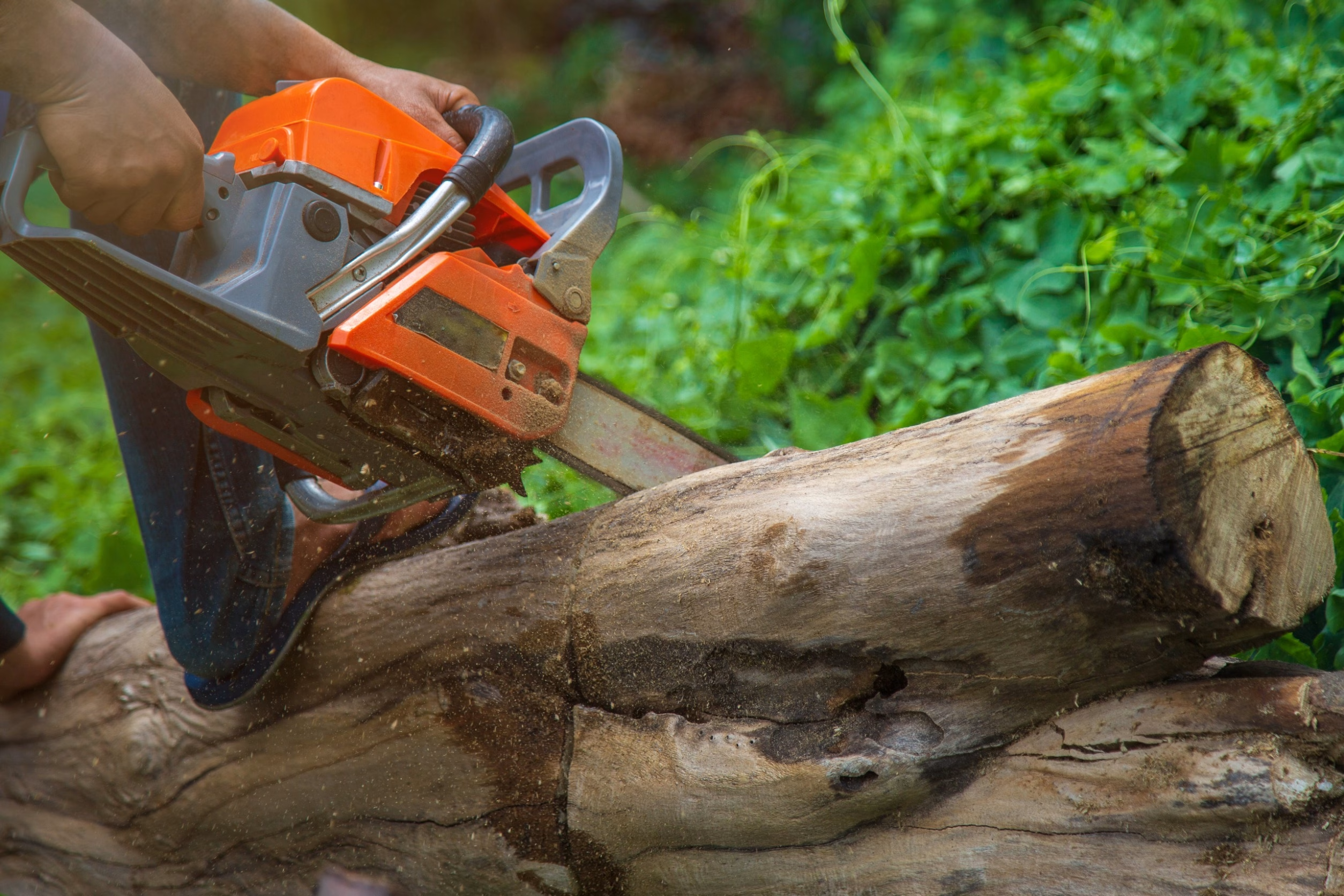
Trees With Dead or Brittle Branches
Dead branches may become increasingly fragile as the wood deteriorates. Large limbs can break during windy weather or fall without much warning, especially when they are already cracked or poorly attached.
Pay particular attention to dead branches above driveways, patios, walkways, parking areas, and other places where people regularly spend time.
Dead Trees With Leaning Trunks
A dead tree that develops a new lean may have compromised roots or structural deterioration. Changes in the soil around the base, exposed roots, or cracks near the trunk can indicate additional instability.
Avoid approaching a potentially unstable tree. Do not attempt to push it upright, climb it, or cut it down yourself.
Trees Damaged by Disease or Decay
Some trees die gradually because of disease, root problems, environmental stress, or extensive decay. Others decline more quickly after severe weather or major physical damage.
Once a tree has died, the condition of its wood and root system can continue to change. Evaluating its location and structural condition helps determine the appropriate next steps.
Our Approach to Dead Tree Removal
Removing a dead tree requires planning based on its height, trunk diameter, condition, and surroundings. Dead wood can be brittle, and a weakened tree may not respond predictably to cutting or changes in weight.
Assessing the Tree and Property
The first step is to evaluate the tree’s visible condition and location. Important considerations include the tree’s size, the amount of dead wood, trunk stability, nearby buildings, overhead obstacles, and access to the work area.
This assessment helps establish whether the tree can be removed using conventional methods or whether a more specialized approach may be needed.
Selecting the Appropriate Removal Method
A dead tree in an open area may allow for a different removal method from one standing close to a home or fence. When there is limited room, removing the tree in sections may be more appropriate than bringing it down in one piece.
Professional climbing techniques or crane assistance may be considered for certain trees, depending on their condition, site access, and surrounding obstacles.
Removing Branches and Trunk Sections
Dead branches and trunk sections may break unexpectedly, especially when the tree has extensive deterioration. The removal sequence should account for the weight and position of each section, along with the potential for movement.
The appropriate approach depends on the tree’s structure and the conditions at the property.
Managing Debris and the Remaining Stump
After the tree is removed, branches and trunk sections need to be handled according to the agreed scope of work. The amount of debris and the accessibility of the site can affect cleanup requirements.
If you want the remaining stump reduced below ground level, ask whether stump grinding can be included in your estimate.
Benefits of Professional Dead Tree Removal
Removing a dead tree may be an important part of maintaining your property, particularly when deterioration creates concerns near buildings or frequently used areas.
-
Addresses potential falling hazards: Removing an unsuitable dead tree can eliminate the risks associated with that particular tree.
-
Helps protect surrounding property: Careful planning accounts for nearby homes, fences, driveways, and other structures.
-
Restores usable outdoor space: Removal can make an area easier to maintain or prepare for future landscaping.
-
Helps manage dead branches and debris: Professional service can address the tree and the material generated during removal.
-
Allows future landscaping plans: Once the tree and, if requested, its stump have been addressed, the space may be prepared for other uses.
Dead tree removal does not guarantee that all tree-related hazards on a property have been eliminated. Nearby trees should still be monitored forvisible damage, dead branches, and other structural concerns.
Residential Dead Tree Removal
Dead trees in residential yards can affect the safety and appearance of the surrounding landscape. A tree may stand close to a roof, hang over a driveway, or occupy an area where children and family members spend time outdoors.
The right removal method depends on the tree’s size, condition, and proximity to surrounding features. Large dead trees near buildings may require careful sectional removal, while trees in open areas may present different working conditions.
Out on a Limb Tree Service provides residential tree care in the greater Greenville area. Homeowners can contact the company to discuss a dead tree that needs evaluation or removal.
If a dead tree is leaning unexpectedly, has a visibly split trunk, or appears unstable, keep people away from the immediate area until it can be assessed.
Commercial Dead Tree Removal
Dead trees on commercial properties can create concerns near entrances, parking areas, walkways, signs, and landscaped grounds. Property managers may need to address these issues to maintain the site’s usability and appearance.
The removal process should account for the tree’s condition, nearby buildings, access requirements, and the intended use of the surrounding area. Trees located in busy commercial spaces may require additional planning to manage the work area appropriately.
Out on a Limb Tree Service advertises tree care for residential and commercial properties. Contact the team to discuss dead tree removal at your business or commercial site.
Dead Tree Removal in Fountain Inn, South Carolina
Homeowners and property managers in Fountain Inn may discover dead trees after periods of severe weather, during routine yard maintenance, or as older trees decline over time. When a dead tree stands near a building, driveway, or frequently used outdoor area, its condition deserves careful consideration.
Out on a Limb Tree Service serves Fountain Inn and surrounding communities in the greater Greenville area. If you have a dead tree that needs to be evaluated or removed, contact the company to discuss its location, approximate size, and any visible signs of damage.
Photographs taken from a safe distance may help communicate the situation when requesting an estimate. Do not climb the tree or attempt to remove heavy branches yourself.
If the tree is touching electrical wires, stay away and contact the appropriate utility provider or emergency service.
Factors That Affect Dead Tree Removal Costs
The cost of dead tree removal depends on the tree’s size, condition, location, and the amount of work required. A small dead tree in an open yard may involve different requirements from a tall, deteriorated tree standing beside a building.
Common factors include:
-
Tree height and trunk diameter: Larger trees generally require more labor and handling.
-
Degree of deterioration: Brittle branches, extensive decay, and compromised trunks can complicate removal.
-
Location: Trees close to homes, fences, vehicles, or other structures may require additional planning.
-
Site accessibility: Limited working space can affect equipment placement and the removal method.
-
Equipment requirements: Specialized equipment or crane assistance may be appropriate for certain jobs.
-
Debris removal: The quantity of branches and trunk sections affects cleanup requirements.
-
Stump grinding: Grinding the remaining stump may be quoted as an additional service.
Out on a Limb Tree Service advertises free on-site estimates. Contact the team to discuss your tree and ask which removal and cleanup services would be included.
Frequently Asked Questions
Is a dead tree always dangerous?
Not every dead tree presents the same level of risk. Its condition, stability, size, and proximity to people or structures all matter. However, dead wood can deteriorate over time, so a tree near a frequently used area may warrant professional assessment.
How quickly should a dead tree be removed?
The appropriate timing depends on the tree’s condition and location. A dead tree with severe structural damage near a home may require prompt attention, while one in an isolated area may present a different level of concern. An unstable tree should be assessed as soon as practical.
Can a dead tree be removed near my house?
Yes, removal may be possible with appropriate planning and a suitable method. The tree’s size, condition, available space, and proximity to the house influence how the work should be performed.
Can dead trees be removed after a storm?
Yes. Out on a Limb Tree Service advertises emergency tree services. Contact the company to describe the damage and confirm current availability. Keep away from unstable trees and any electrical hazards.
Does dead tree removal include stump grinding?
Stump grinding may be available as a separate or additional service. Confirm whether it is included in your estimate and explain how you plan to use the area afterward.
Can I cut down a dead tree myself?
Cutting down a dead tree can be dangerous because deteriorated wood may break unpredictably. Large trees, unstable trunks, elevated branches, and trees near structures should be handled by appropriately equipped professionals.
Do you provide dead tree removal in Fountain Inn, SC?
Out on a Limb Tree Service lists Fountain Inn among its service areas in the greater Greenville region. Contact the company to confirm availability and discuss your property’s needs.
Can I get a free estimate?
The company advertises free on-site estimates. Contact the team to describe the tree and arrange an assessment.
Request Dead Tree Removal in Fountain Inn, SC
A dead tree can become a concern when its branches or trunk deteriorate, particularly if it is close to a home, driveway, or other frequently used area. Evaluating the tree’s condition and selecting a suitable removal method can help you make an informed decision about your property.
Out on a Limb Tree Service provides tree care for residential and commercial properties in Fountain Inn and nearby communities. Contact the team to discuss your dead tree removal needs and request an estimate.