Crane Tree Removal in Fountain Inn, SC
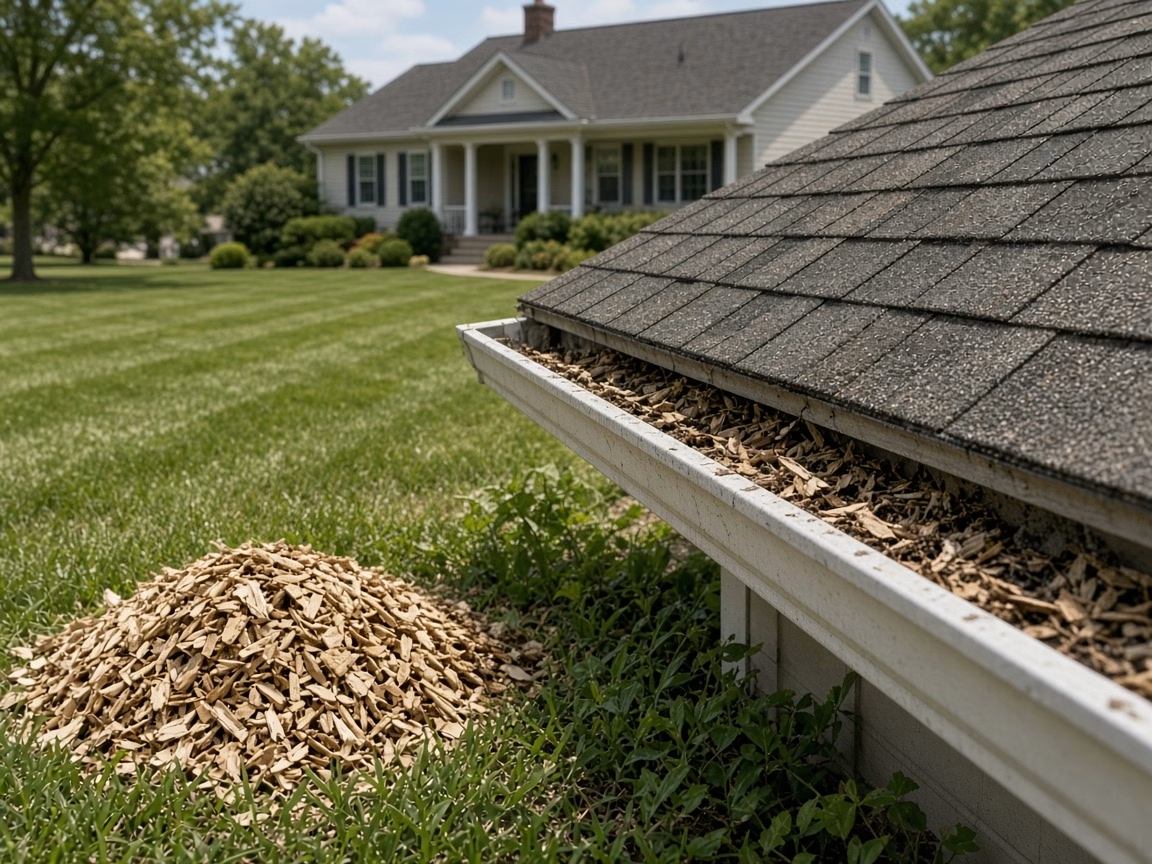
Removing a large tree near a house, commercial building, or other structure can require more than conventional tree-cutting methods. When a tree is difficult to access, has sustained significant damage, or cannot be safely dismantled using standard methods, crane-assisted tree removal may be an appropriate solution.
Out on a Limb Tree Service provides tree care for residential and commercial properties in the greater Greenville, South Carolina, area, including Fountain Inn. The company uses crane assistance when appropriate for the job, helping address tree removal situations that require specialized equipment and careful planning.
If you have a large, damaged, or difficult-to-access tree on your property, contact Out on a Limb Tree Service to discuss the situation and request a free on-site estimate.
What Is Crane-Assisted Tree Removal?
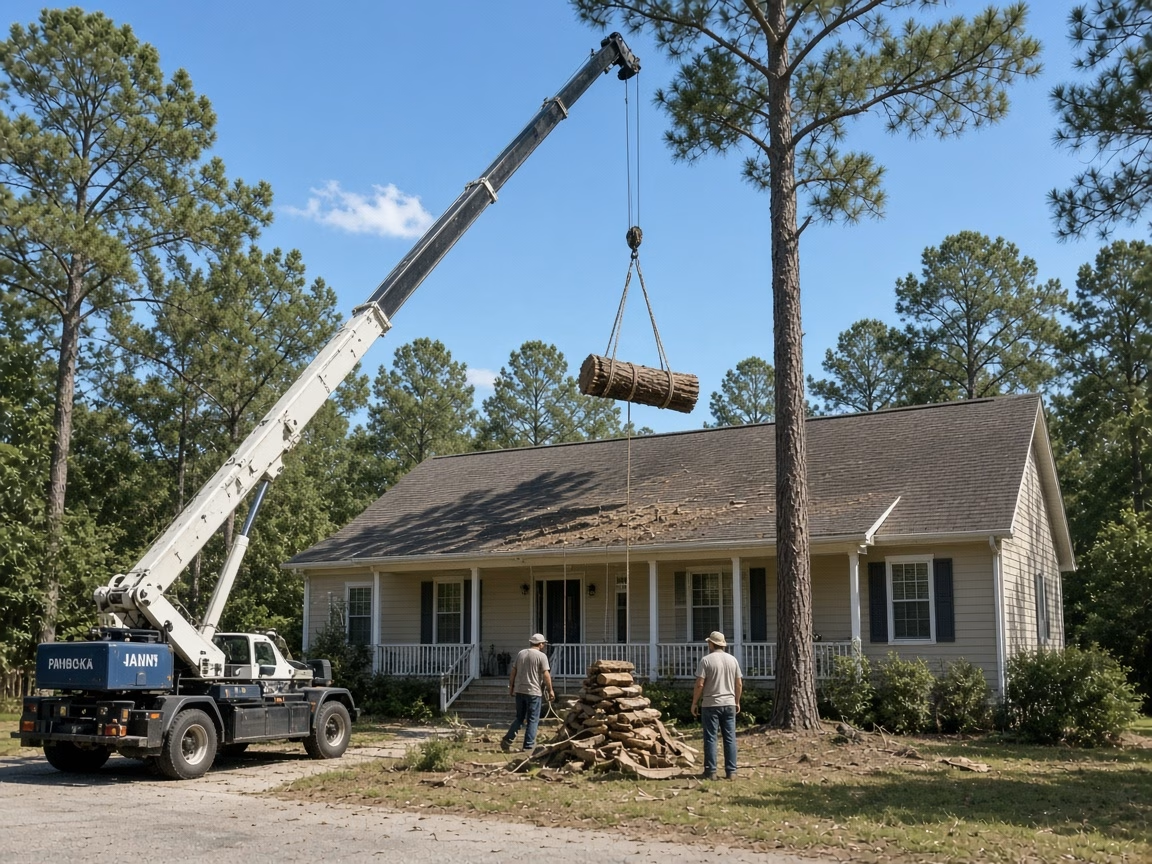
Crane-assisted tree removal uses a crane to support and lift selected sections of a tree during the removal process. Instead of allowing large branches or trunk sections to fall freely, the removal team can coordinate lifting and lowering operations according to the site’s conditions.
This method may be useful when a tree stands close to a building, occupies a confined space, or has structural damage that makes conventional removal more complicated.
Crane use is not necessary for every tree. The appropriate method depends on the tree’s size, condition, location, available access, and the equipment that can be positioned safely at the property.
When Is Crane Tree Removal a Suitable Option?
Some tree removal projects present challenges that require additional equipment and more detailed planning. A site assessment helps determine whether crane assistance is appropriate.
Large Trees Near Homes and Buildings
A mature tree growing close to a house, garage, office, or other structure may have limited space for conventional cutting and lowering techniques.
Crane-assisted removal may allow selected sections to be lifted away from the tree and guided toward a suitable landing area. The exact approach depends on the surrounding structures, crane access, and the tree’s condition.
Trees in Confined or Difficult-to-Reach Areas
Trees located in restricted yards or near fences, landscaping, and other obstacles can be challenging to remove. There may be little room to lower large sections without affecting nearby property.
When site conditions permit, crane assistance can provide another way to manage tree sections. The available space for equipment setup and lifting must be evaluated before this method is selected.
Storm-Damaged or Structurally Unstable Trees
Severe weather can leave a tree split, partially uprooted, or supported by damaged branches. These conditions can make removal more complicated because the tree may shift unexpectedly as work progresses.
Crane assistance may be considered when the tree’s condition and surroundings make it appropriate. Damaged trees require careful assessment, and no removal method should be assumed suitable without evaluating the specific hazards.
Heavy Trunk Sections and Large Branches
Large trunk sections can be difficult to manage in areas where there is insufficient space for them to be lowered conventionally.
A crane may help support and lift selected sections during removal. The lifting plan must account for the material’s weight, the equipment’s capacity, the lifting configuration, and the conditions at the site.
How the Crane Tree Removal Process Works
Crane-assisted tree removal requires coordination between the tree care team and the crane operation. The process is planned around the tree’s condition and the property layout.
1. Assessing the Tree and Property
The first step is to examine the tree and its surroundings. Important considerations include the tree’s height, trunk condition, branch structure, proximity to buildings, and the space available for equipment.
Access routes, ground conditions, overhead obstructions, and nearby utility lines must also be considered.
2. Planning Equipment Access and Lifting
Crane placement is a key part of the process. The equipment needs a suitable position and adequate space to operate according to the requirements of the job.
The removal plan also considers where each section can be lifted and placed. Not every property has sufficient access or ground conditions for crane use, so another removal method may be necessary in some cases.
3. Removing the Tree in Sections
Depending on the tree and the agreed plan, the crew may remove branches and trunk sections in stages. The crane can support designated sections while trained personnel coordinate the cutting and lifting operations.
The sequence matters because the tree’s balance and structural condition change as material is removed.
4. Handling Debris and Reviewing the Site
After the tree has been removed, the remaining branches and wood need to be handled according to the agreed scope of work.
Discuss debris removal, cleanup, and any remaining stump before the project begins. Crane-assisted tree removal does not automatically include stump grinding or complete root removal.
Benefits of Crane-Assisted Tree Removal
Crane assistance can offer practical advantages for certain tree removal projects.
-
Controlled lifting: Selected tree sections can be supported and lifted rather than allowed to fall freely.
-
Access to challenging trees: Crane assistance may be useful when a tree is difficult to dismantle using conventional methods.
-
Management of large sections: Heavy branches and trunk sections can be handled according to a planned lifting procedure.
-
Planning around nearby structures: The removal sequence can account for buildings, fences, and other obstacles.
-
An alternative removal method: Crane-assisted work provides another option when the tree and property conditions make it suitable.
These benefits depend on the specific project. Crane use does not eliminate all risks or guarantee that surrounding property will remain undamaged. Proper planning, suitable equipment, and qualified personnel remain essential.
Crane Tree Removal for Residential Properties
Homeowners may need crane-assisted removal when a large tree is close to a house, garage, driveway, or other structure. Limited yard space can make it difficult to remove large sections using conventional techniques.
The site assessment should consider where the crane can be positioned, whether the ground can support the equipment, and how tree sections can be lifted and moved without creating additional hazards.
If you have a tree near your home that appears too large or difficult to remove using standard methods, request an assessment to determine which approach is appropriate for your property.
Crane Tree Removal for Commercial Properties
Commercial properties may have large trees near offices, retail buildings, parking areas, access roads, or landscaped entrances. Removing these trees can require careful planning around buildings, vehicles, pedestrians, and normal property use.
Crane-assisted removal may be suitable when the site provides adequate equipment access and the tree’s location justifies the method.
Out on a Limb Tree Service offers tree services for residential and commercial customers. Property managers can explain the tree’s location, access limitations, and any surrounding obstacles when requesting an estimate.
Crane Tree Removal in Fountain Inn, South Carolina
Property owners in Fountain Inn may require specialized tree removal when a large tree stands near a building, has suffered significant damage, or occupies an area with limited working space.
Out on a Limb Tree Service lists Fountain Inn among its service areas in the greater Greenville region. The company uses crane assistance when appropriate for tree work, with the removal method determined by the requirements of the individual project.
When requesting an estimate, explain the tree’s approximate size, its distance from nearby structures, and any visible damage. Photos taken from a safe distance may help describe the situation.
Crane access, ground conditions, overhead obstructions, and nearby utility lines can affect whether a crane is suitable for the property. An on-site assessment is necessary to establish the appropriate plan.
What Affects the Cost of Crane Tree Removal?
Crane-assisted removal involves several factors that can influence the overall project cost. An estimate should account for the tree itself, the equipment requirements, and the conditions at the property.
-
Tree size and structure: Larger trees and complex branch structures may require more involved removal planning.
-
Tree condition: Storm damage, decay, or instability can affect the removal sequence and precautions needed.
-
Crane requirements: The appropriate crane size, lifting capacity, and equipment arrangements depend on the job.
-
Site accessibility: Narrow entrances, restricted setup areas, and challenging ground conditions may affect equipment placement.
-
Nearby obstacles: Buildings, fences, utility lines, and landscaping can make planning more complex.
-
Debris handling: The amount of wood and branches, along with the agreed cleanup arrangements, affects the work required.
-
Additional services: Stump grinding, stump removal, and further property cleanup may be separate parts of the project.
Out on a Limb Tree Service advertises free on-site estimates. Discuss the tree’s condition and the work you need so the company can assess the project and explain the proposed scope.
Frequently Asked Questions
Does every large tree require a crane?
No. Some large trees can be removed using professional climbing techniques and other appropriate equipment. Crane assistance is generally considered when the tree’s condition, location, or surrounding obstacles make it a suitable option.
Can a crane remove a tree close to a house?
Crane-assisted removal may be suitable for trees near buildings, provided there is adequate access and the lifting operation can be planned appropriately. The site must be assessed before determining whether crane use is feasible.
Is crane-assisted tree removal safer than conventional removal?
Neither method is automatically safer in every situation. The appropriate approach depends on the tree, the property, the equipment, and the hazards involved. A professional assessment helps determine which method is suitable for the job.
Can a crane remove a storm-damaged tree?
Crane assistance may be appropriate for certain damaged or unstable trees. The decision depends on the tree’s condition, the surrounding hazards, and whether suitable equipment can be positioned at the property.
Does crane tree removal include stump grinding?
Not necessarily. Removing the above-ground tree and grinding the remaining stump are different services. Ask whether stump grinding or removal can be included in your estimate.
Do you provide crane tree removal for commercial properties?
Out on a Limb Tree Service offers residential and commercial tree services and uses crane assistance when appropriate. Contact the company to discuss your property’s requirements and confirm the available service.
Do you offer free estimates?
The company advertises free on-site estimates. Contact the team to arrange an assessment and discuss the scope of your tree removal project.
Request a Crane Tree Removal Estimate
A large tree near a building or a damaged tree in a confined space may require specialized equipment and a carefully planned removal process.
Out on a Limb Tree Service serves Fountain Inn and surrounding areas in the greater Greenville region. Contact the team to explain your tree removal needs and request a free on-site estimate.
An assessment can help determine whether crane assistance is appropriate, what equipment access may be required, and which additional services should be included in the project.